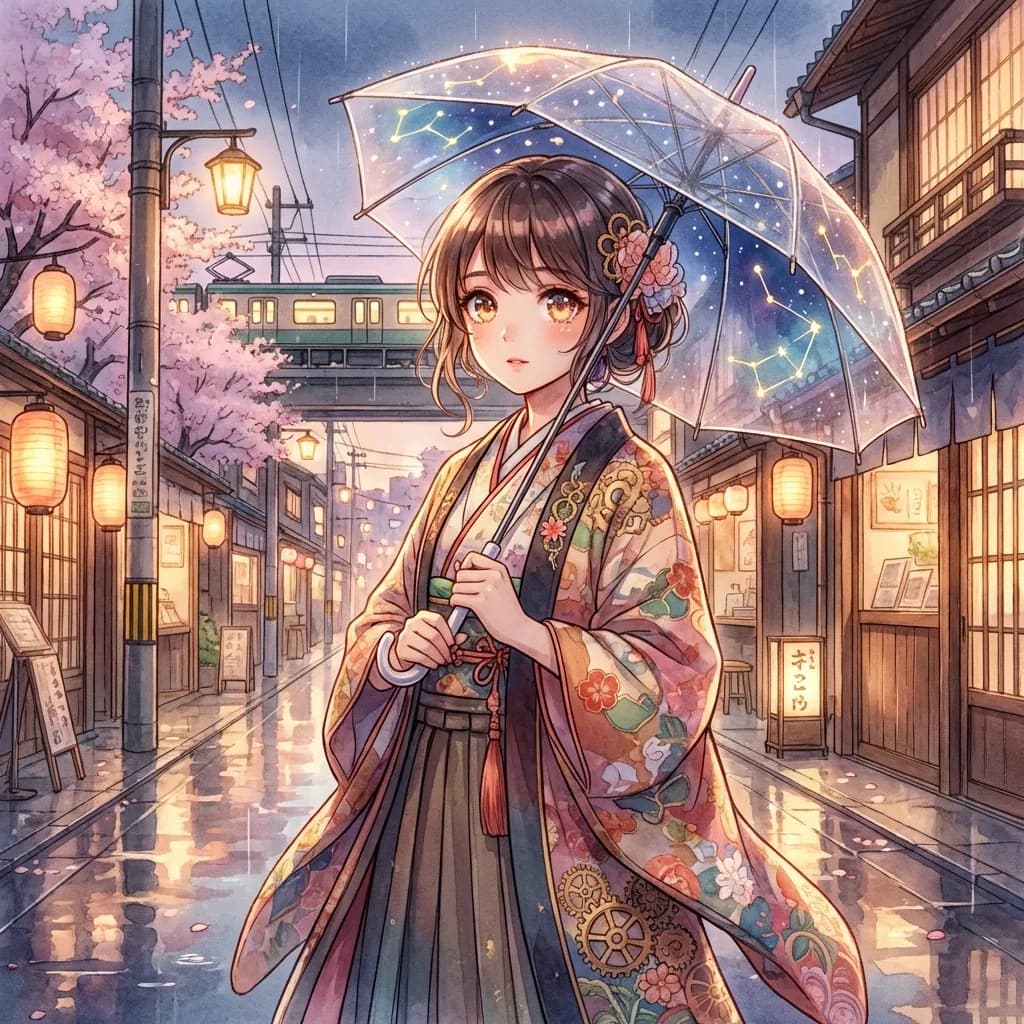
The Beauty of AI Anime Art
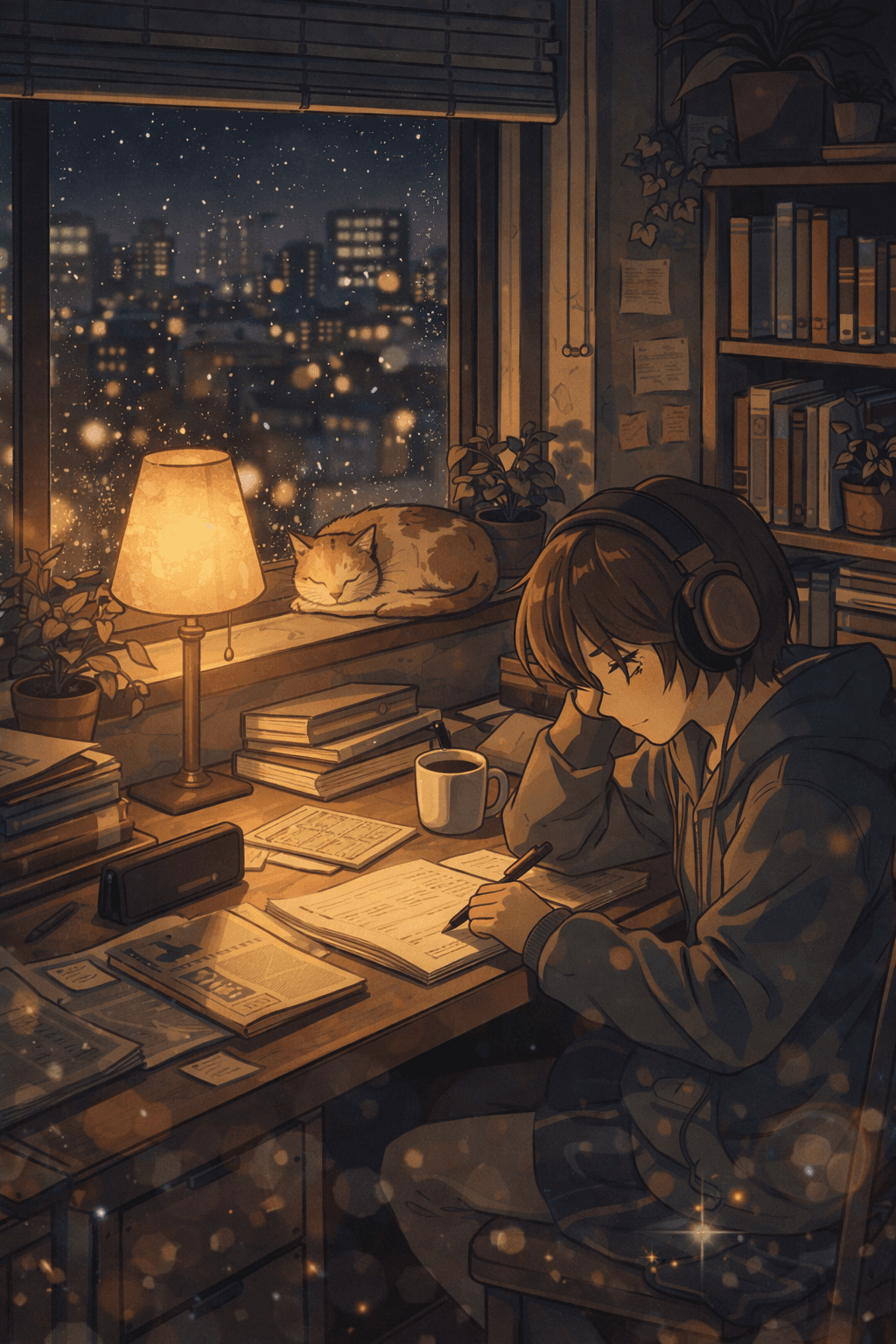
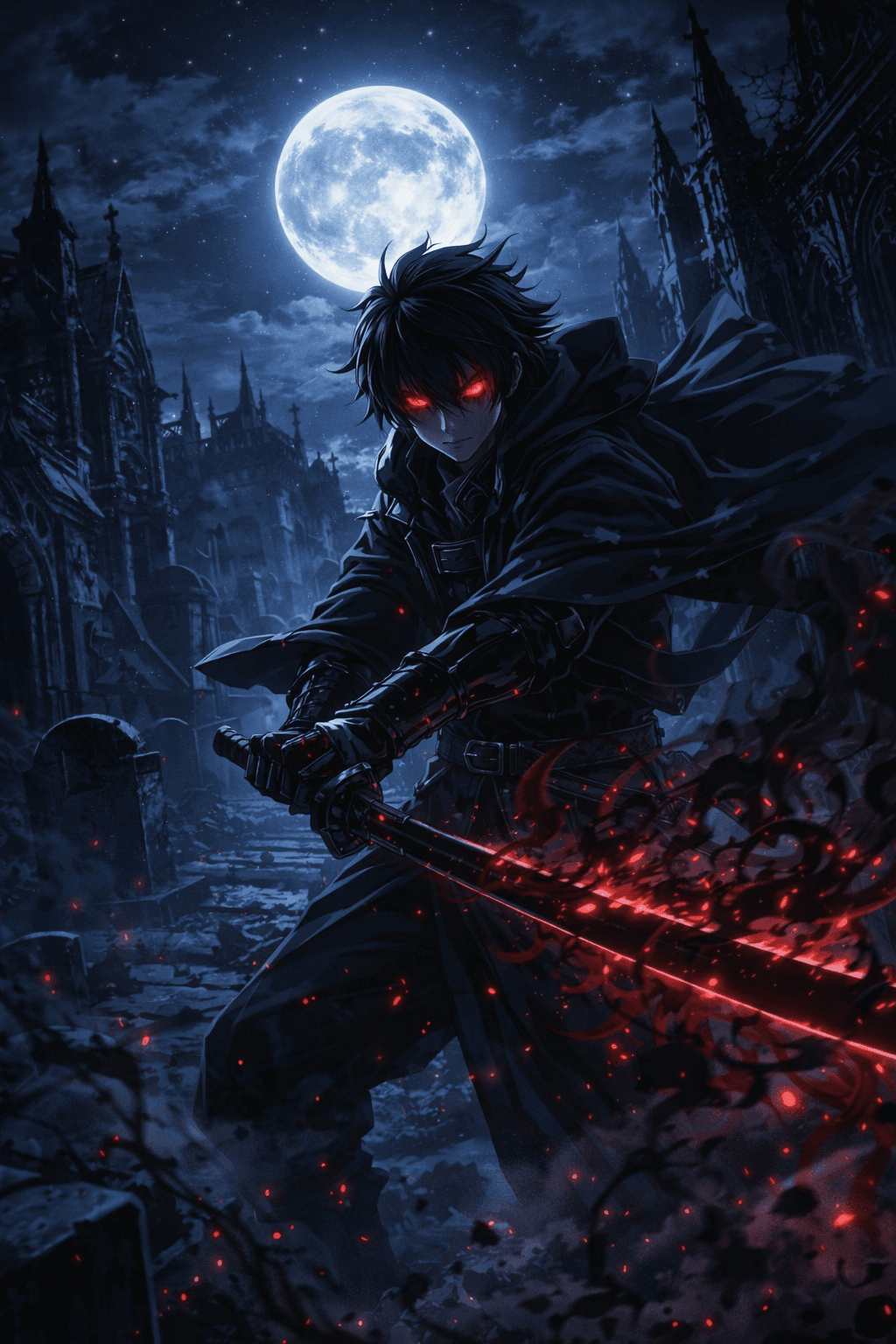
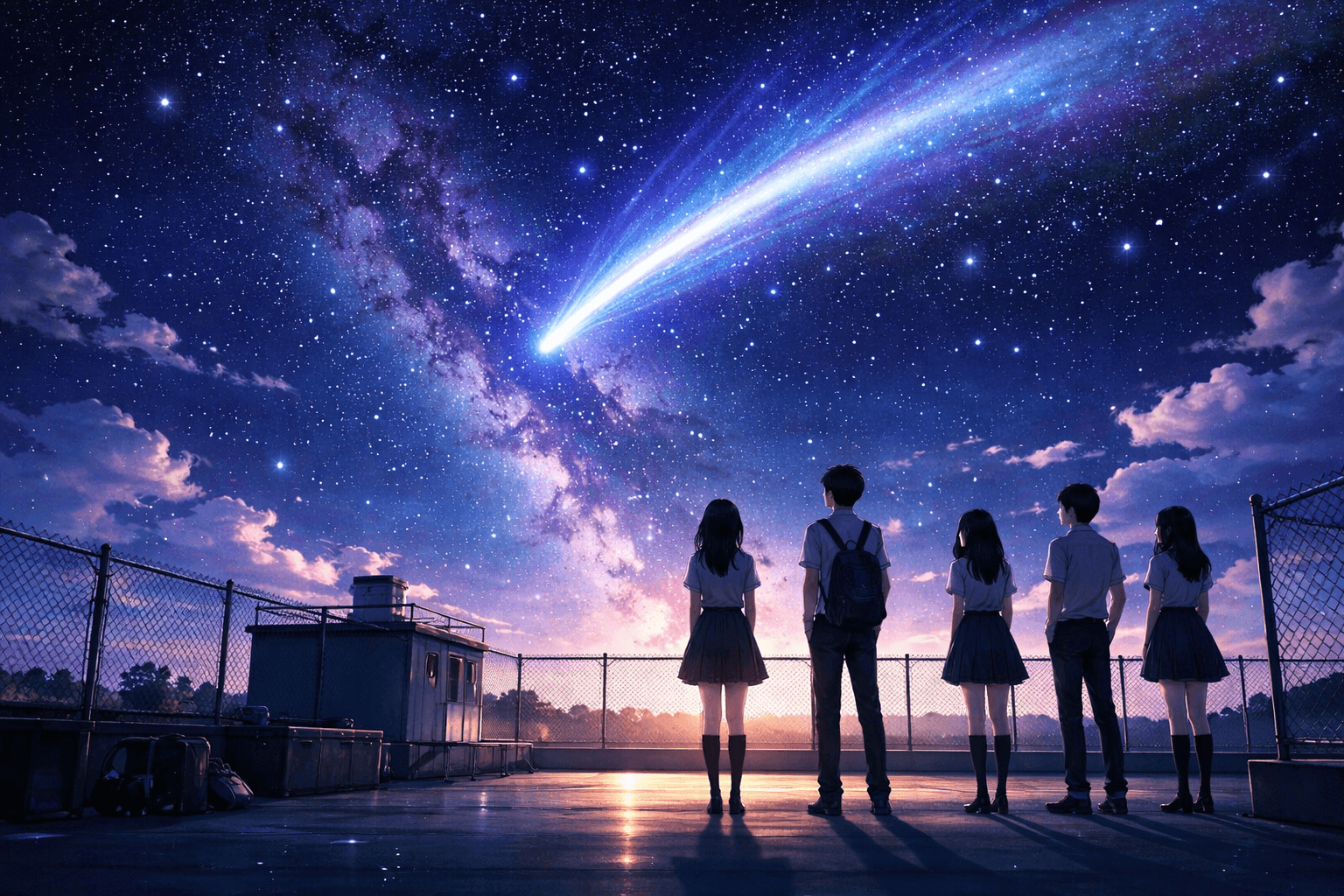
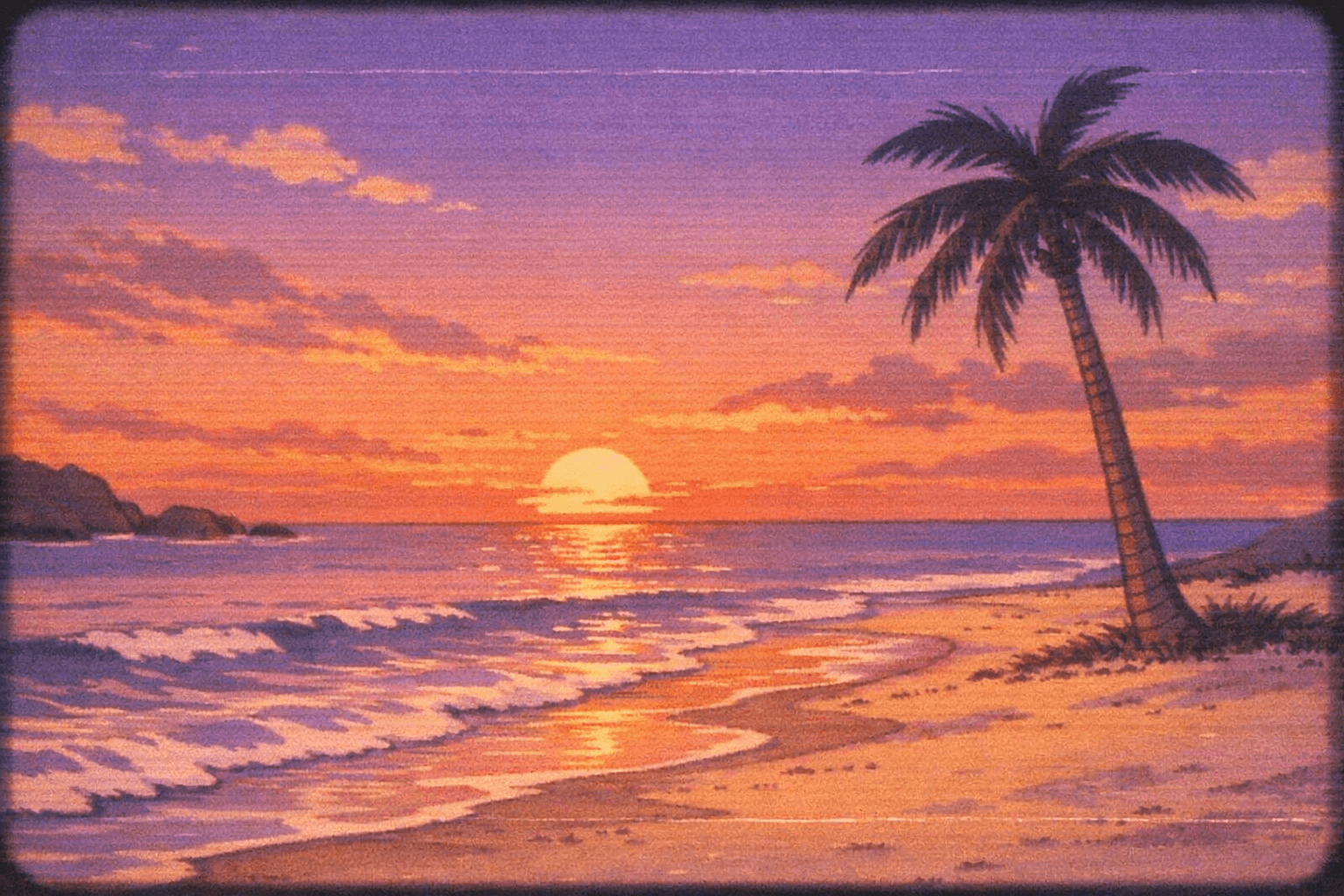
Anime has a distinct visual language that AI can replicate beautifully. From Studio Ghibli softness to dynamic shonen action, let's explore how to capture these styles.
Anime Style Variants
Classic Anime Style
Key terms: anime style, cel shading, 2D animation style, vibrant colors, expressive eyes
Studio Ghibli
Key terms: Studio Ghibli style, soft watercolor backgrounds, whimsical, Hayao Miyazaki inspired, hand-painted look
Modern Anime
Key terms: modern anime aesthetic, sharp linework, gradient shading, detailed backgrounds, digital anime art
Manga Style
Key terms: manga illustration, black and white, ink drawing, screentone shading, dramatic paneling
Character Design Tips
For authentic anime characters:
- Describe hair color and style specifically (e.g., silver twin-tails, spiky red hair)
- Include eye details: large expressive eyes, heterochromia, glowing eyes
- Specify clothing style: school uniform, fantasy armor, casual streetwear
- Add personality through pose and expression
Dynamic Action Scenes
For action-packed images:
- Use action lines, speed blur, motion effects
- Include energy effects: ki blast, magical aura, flame effects
- Dynamic angle, from below, dramatic perspective
- Intense expression, battle stance
Backgrounds and Settings
Anime backgrounds range from simple to incredibly detailed:
- Cherry blossoms, Japanese shrine, urban Tokyo
- Fantasy castle, magical forest, cyberpunk city
- Soft gradient background for character focus
Quality Modifiers
Add these for better results: high quality anime, detailed illustration, official art quality, masterpiece, best quality
Popular Model Recommendations
For anime style, consider using anime-focused models in Stable Diffusion like Anything V5 or NAI Diffusion for best results.
Conclusion
AI anime art opens up endless possibilities for fans and creators alike. Practice with different styles and find your unique artistic voice!